
Tag: Zoho Flow

  • Agentic AI and Zoho Flow: Transforming US Professional Services

    Agentic AI and Zoho Flow: Transforming US Professional Services

    In today’s fast-paced corporate environment, United States professional services firms face constant pressure to deliver exceptional client outcomes while managing mounting administrative overhead. Whether you run a legal consultancy, an accounting practice, or a marketing agency, traditional manual workflows often create bottlenecks that stall growth and limit billable hours. Fortunately, the convergence of intelligent automation and advanced workflow orchestration is reshaping how modern organizations operate. By combining cutting-edge artificial intelligence with robust integration tools, businesses can unlock unprecedented levels of efficiency, accuracy, and scalability.

    At Tamooh Tech LLC, we help organizations bridge the gap between complex software ecosystems and practical, revenue-driving processes. Implementing intelligent systems is no longer a luxury reserved for enterprise conglomerates; it is a critical strategy for agile small and mid-sized businesses striving to maintain a competitive edge. This guide explores how combining autonomous artificial intelligence frameworks with reliable connectivity platforms creates a resilient foundation for long-term operational success.

    Understanding Agentic AI in Modern Professional Services

    Artificial intelligence has evolved far beyond simple chatbots and static autocomplete tools. Modern enterprises now utilize agentic AI—autonomous digital agents capable of executing complex, multi-step tasks with minimal human intervention. Unlike traditional automation scripts that follow rigid, pre-determined rules, agentic systems can perceive context, reason through problems, make decisions, and interact dynamically with various software applications.

    For professional services firms in the United States, this represents a fundamental paradigm shift. Client intake, document review, cross-platform data synchronization, and preliminary research can now be handled concurrently by intelligent agents. These systems act as virtual team members, freeing your human experts to focus on high-value strategy, client relationships, and creative problem-solving. When paired with expert guidance from our business consulting team, your firm can identify the exact operational friction points that stand between your current capacity and your growth targets.

    Streamlining Workflows with Smart Integration Tools

    Even the most sophisticated artificial intelligence models require reliable plumbing to move data seamlessly between disparate cloud applications. Professional services firms typically rely on a diverse tech stack—including customer relationship management software, billing platforms, email clients, and project management tools. When these systems operate in isolation, teams waste valuable hours manually transferring data, risking costly human errors along the way.

    To build truly connected ecosystems, organizations leverage advanced integration platforms to orchestrate data movement in real time. For instance, you can easily start Zoho Flow to connect your favorite business apps, automate multi-step data transfers, and trigger instant actions across your entire software infrastructure without writing complex code. Whether you need to update a central database when a new client signs a contract or generate automated onboarding packets, reliable integration platforms eliminate the administrative drag that slows down daily operations.

    Furthermore, maintaining a consistent brand presence and engaging prospective clients requires structured digital outreach. By exploring tools like Zoho Social, teams can schedule content, monitor engagement metrics, and analyze campaign performance across multiple channels. Connecting these marketing efforts directly into your broader operational framework ensures that no lead falls through the cracks, bridging the gap between initial discovery and signed contracts.

    Building Autonomous Loops: Where AI Meets Integration

    The true magic happens when agentic AI is deeply embedded into your integration pipelines. Rather than simply moving data from Point A to Point B, smart workflows can evaluate the content of that data, make autonomous decisions, and trigger appropriate downstream actions. Consider a scenario where a prospective client submits a detailed inquiry through your website:

    • An autonomous AI agent analyzes the incoming message, assesses the client’s specific industry, budget, and project scope, and performs an initial qualification score.
    • Based on this evaluation, the integration platform automatically routes the inquiry to the most appropriate account manager’s calendar.
    • The system generates a personalized introductory email tailored to the client’s unique requirements, attaching relevant case studies pulled directly from your internal knowledge repository.
    • A task is automatically created in your project management system to prepare for the discovery call, complete with a summarized briefing document compiled by the AI agent.

    This level of orchestration transforms client onboarding from a tedious administrative chore into an instantaneous, polished experience. To see how these architectures can be tailored to your specific organizational needs, you can explore our specialized agentic AI services designed to bring intelligent autonomy to your daily routines.

    Overcoming Implementation Challenges for US Enterprises

    While the benefits of intelligent automation are undeniable, deploying these technologies requires a strategic approach. Many organizations stumble because they attempt to automate broken, inefficient processes without first mapping their core workflows. Technology amplifies whatever process it touches—if your current process is chaotic, automation will simply generate chaos at a much faster rate.

    To ensure a smooth digital transformation, leadership teams should adopt a phased implementation methodology:

    1. Audit and Document: Map out existing client journey touchpoints, administrative tasks, and data handoffs across all departments.
    2. Identify High-Impact Bottlenecks: Prioritize repetitive, time-consuming tasks that consume significant staff hours but require minimal creative input.
    3. Design Modular Workflows: Build automated pipelines incrementally, testing each connection thoroughly before scaling to wider operational areas.
    4. Train and Empower: Ensure your team understands how to work alongside automated systems, viewing AI agents as supportive partners rather than disruptive replacements.

    Implementing these foundational steps paves the way for sustainable efficiency gains. For firms looking to overhaul legacy systems or build custom digital products from scratch, our comprehensive full-stack development services provide the technical horsepower needed to bring custom software visions to life.

    Measuring the Return on Investment (ROI)

    Investing in automation and agentic AI must ultimately deliver measurable business value. Professional services firms typically evaluate success across several key performance indicators:

    • Reduction in Administrative Overhead: Tracking the decrease in hours spent on manual data entry, scheduling, and document formatting.
    • Acceleration of Client Onboarding: Measuring the time elapsed from initial inquiry to the completion of project kick-off meetings.
    • Error Reduction: Monitoring the decrease in data discrepancies, missed follow-ups, and billing mistakes.
    • Employee Satisfaction: Assessing improvements in staff retention and morale resulting from the elimination of mundane daily chores.

    When routine tasks are handled autonomously, professional teams can dedicate more energy to strategic advisory work and client satisfaction, directly driving revenue growth and profitability.

    Frequently Asked Questions

    What is the difference between traditional automation and agentic AI?

    Traditional automation follows strict, pre-set conditional rules (e.g., if X happens, do Y). Agentic AI introduces autonomous reasoning, allowing digital agents to interpret unstructured data, make contextual decisions, and handle complex, multi-step scenarios without explicit human scripting for every possible outcome.

    How long does it take to implement workflow automation?

    Implementation timelines vary depending on the complexity of your current software stack and the scope of the project. Simple integrations can be deployed within days, while comprehensive digital transformation initiatives involving custom AI agents and deep system integrations typically span several weeks.

    Is my client data secure when using AI and integration platforms?

    Yes. Reputable automation and AI platforms adhere to strict data privacy frameworks, encryption standards, and compliance regulations. Partnering with experienced implementation consultants ensures that your data pipelines are configured securely according to industry best practices.

    Take the Next Step Toward Intelligent Growth

    Embracing agentic AI and robust workflow automation is no longer an experimental venture; it is an essential strategy for professional services firms seeking resilience, agility, and scale in a competitive marketplace. By eliminating administrative friction and empowering your team with intelligent digital assistants, your business can unlock new levels of productivity and client satisfaction.

    Ready to modernize your operations and harness the full potential of intelligent automation? Contact us today to discuss your digital transformation roadmap, or book a consultation with our expert strategists at Tamooh Tech LLC to explore tailored solutions for your firm.
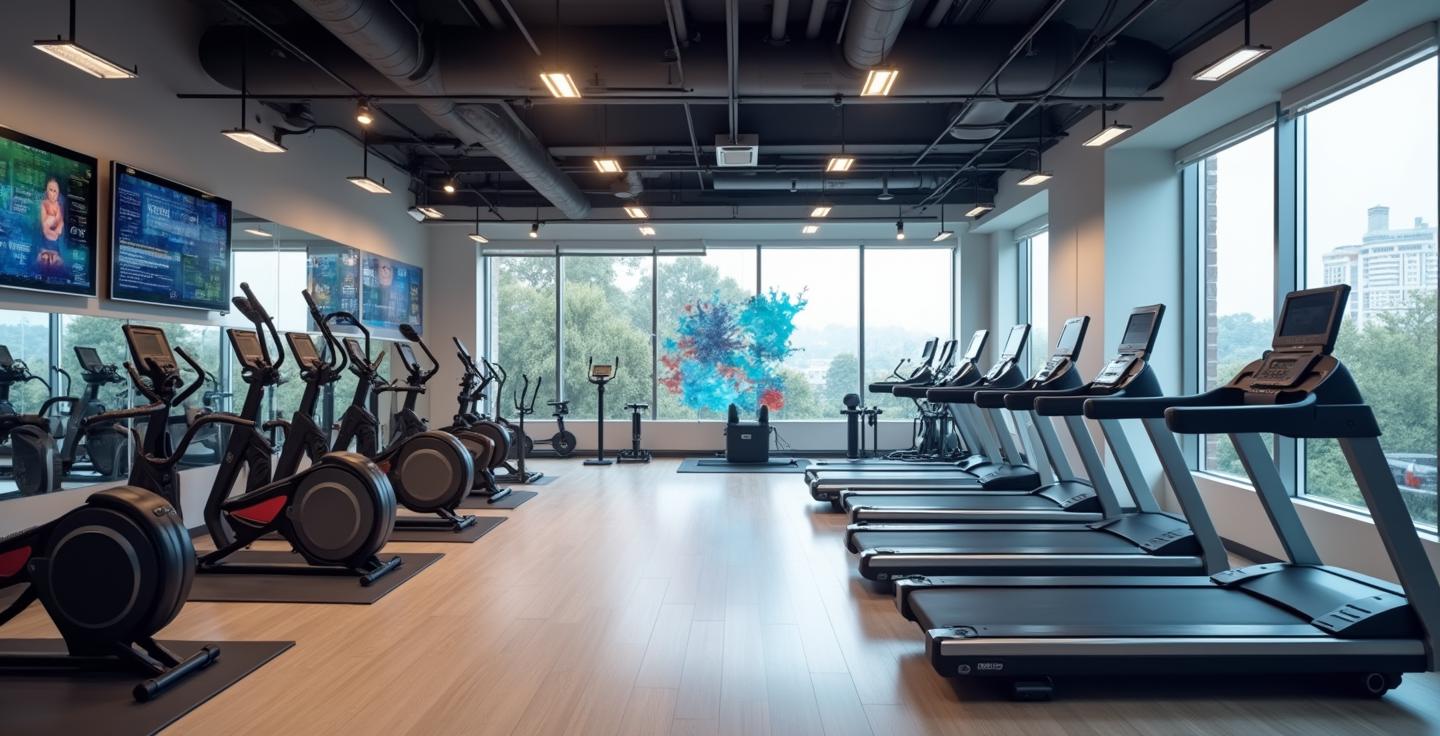
  • Agentic AI and Zoho Flow: Scaling US Fitness & Gym Businesses

    Agentic AI and Zoho Flow: Scaling US Fitness & Gym Businesses

    Operating a modern fitness center, boutique gym, or multi-location health club in the United States requires balancing countless moving parts. From membership renewals and class scheduling to personal training bookings and billing follow-ups, gym owners frequently find themselves bogged down by manual administrative tasks. When staff members spend hours updating spreadsheets or manually emailing leads, customer experience suffers. Fortunately, the convergence of intelligent automation and advanced workflow design offers a powerful solution. By combining modern business automation strategies with smart orchestration tools, fitness businesses can eliminate routine friction and focus entirely on delivering exceptional member experiences.

    In this comprehensive guide, we explore how US fitness and gym operators can leverage intelligent systems to automate daily operations. We will examine the role of autonomous decision-making engines, review how to connect disparate software stacks, and provide actionable steps to transform your club’s operational efficiency. Whether you manage a single CrossFit box or a growing regional chain, scaling your business sustainably requires moving beyond rigid, old-school software into dynamic, AI-driven ecosystems.

    The Operational Challenges Facing Modern US Gyms

    The fitness industry in the United States is intensely competitive. Members expect seamless mobile app experiences, instant booking confirmations, personalized workout recommendations, and flexible payment options. Behind the scenes, however, gym owners often struggle with disconnected software ecosystems. A typical facility might use one platform for point-of-sale transactions, another for class schedules, a third for email marketing, and a separate spreadsheet for tracking prospective leads who toured the facility.

    When these tools do not talk to each other properly, operational bottlenecks appear immediately. A prospective member might fill out a form on your website, but if the front desk fails to manually input that data into your follow-up sequence within minutes, the lead may cool off and join a competitor down the street. Similarly, lapsed members often slip through the cracks simply because staff lack the bandwidth to monitor engagement metrics across multiple disparate dashboards. Overcoming these hurdles requires a unified approach to digital transformation that bridges the gap between software applications.

    Introducing Agentic AI: Beyond Basic Chatbots

    For years, business automation meant executing simple “if-this-then-that” rules. While helpful, those rigid rules often break down when handling complex, nuanced scenarios. Enter agentic AI—the next evolution in enterprise artificial intelligence. Unlike passive AI tools that simply answer prompts, agentic AI systems feature autonomous agents capable of reasoning, planning, executing multi-step tasks, and interacting directly with third-party software APIs to achieve specific business goals.

    In a fitness and gym environment, agentic AI goes far beyond a basic customer service chatbot. Imagine an intelligent agent that actively monitors member attendance patterns. If a regular attendee misses three consecutive spin classes, the AI agent doesn’t just send a generic automated email; it analyzes their historical preferences, drafts a personalized check-in message offering a complimentary guest pass or a trainer consultation, and updates your central CRM automatically. If the member responds asking about schedule changes, the agent can negotiate available times, book the session, and process any associated add-on fees without human intervention. This level of autonomy turns reactive customer service into proactive member retention.

    Connecting Your Fitness Tech Stack with Zoho Flow

    To power sophisticated AI agents and automated workflows, your foundational business apps must operate in harmony. This is where robust integration platforms become indispensable. Many growing US fitness businesses utilize Zoho Flow to connect their favorite CRM, billing, email marketing, and scheduling tools without writing complex custom code. Zoho Flow allows gym owners to build advanced integration logic, map data seamlessly between cloud applications, and trigger instant actions across platforms based on real-time member activity.

    For instance, whenever a new membership agreement is signed via your web portal, Zoho Flow can instantly trigger a sequence across your ecosystem: it creates a new client profile in your central database, assigns an onboarding coach, enrolls the member in a welcome email series, and notifies the front desk team via a designated Slack or Microsoft Teams channel. By streamlining these multi-app triggers, your staff avoids manual data entry errors and ensures that every new member receives an immediate, professional onboarding experience from day one.

    Agile Project Management for Fitness Expansion with Zoho Sprints

    Scaling a fitness business often involves launching new initiatives—such as introducing a digital nutrition coaching program, opening a new facility location, or revamping your mobile app. Managing these internal projects alongside daily gym operations can overwhelm management teams. Leveraging a dedicated agile tool like Zoho Sprints helps gym operators break down large expansion goals into manageable sprints, assign team responsibilities, and track progress visually.

    When your administrative and operational projects are organized transparently, marketing managers, fitness directors, and facility supervisors stay aligned. Combining structured project management with automated daily workflows ensures your team spends less time in endless status meetings and more time executing growth strategies that drive member acquisition and retention.

    Step-by-Step Guide to Implementing AI and Automation in Your Gym

    Transitioning toward an automated, AI-driven fitness business does not happen overnight. To maximize your return on investment and minimize operational disruption, follow a structured implementation roadmap:

    • Audit Current Workflows: Map out every customer and staff touchpoint, from initial web inquiry and facility tours to membership renewal and cancellation processing. Identify where staff spend the most manual hours.
    • Cleanse and Centralize Data: Ensure your member lists, billing records, and lead databases are accurate and consolidated into a single source of truth before building automated triggers.
    • Design Core Integrations: Use platforms like Zoho Flow to connect your core systems so that lead generation, booking, and payment notifications happen instantly and without manual intervention.
    • Deploy Intelligent Agents: Introduce agentic AI workflows gradually—starting with automated lead nurturing and proactive attendance re-engagement campaigns.
    • Train Your Staff: Educate your front desk, coaching staff, and management team on how to collaborate effectively alongside automated systems and review AI-generated insights regularly.

    Partnering with experienced implementation specialists can significantly accelerate this journey. To explore tailored strategies for your fitness brand, visit our business consulting practice for expert guidance.

    Unlocking Long-Term Growth and Member Retention

    The ultimate goal of integrating agentic AI and robust workflow automation into your fitness business is simple: freeing your human team to focus on human connections. Technology can handle data syncing, booking confirmations, and routine follow-ups with speed and precision, but the welcoming smile at the front desk, the expert cueing during a personal training session, and the community culture inside your gym floor remain irreplaceable human elements.

    By automating the administrative heavy lifting, US gym owners create resilient, scalable businesses capable of adapting rapidly to changing market demands. Whether you are looking to refine your operational workflows, deploy custom software solutions, or integrate cutting-edge intelligence into your daily routines, expert support is available to guide your transformation.

    Frequently Asked Questions

    How does agentic AI differ from standard gym scheduling software?

    Standard scheduling software simply follows rigid rules to book appointments based on availability. Agentic AI features autonomous reasoning capabilities that can analyze member behavior, make decisions, multi-task across different software applications, and personalize interactions dynamically without constant human oversight.

    Can Zoho Flow connect with existing fitness booking tools?

    Yes. Zoho Flow supports a vast library of pre-built integrations and webhooks, allowing you to connect your primary CRM, payment gateways, marketing automation tools, and custom fitness applications into a unified, automated operational ecosystem.

    How can Tamooh Tech LLC help my US fitness business?

    Tamooh Tech LLC provides expert digital transformation, custom software development, and process automation services tailored to modern SMEs. Our team designs scalable architectures that integrate advanced AI and cloud workflows to drive operational excellence. Ready to transform your operations? Contact us today or explore our booking page to schedule a consultation with our technology experts.