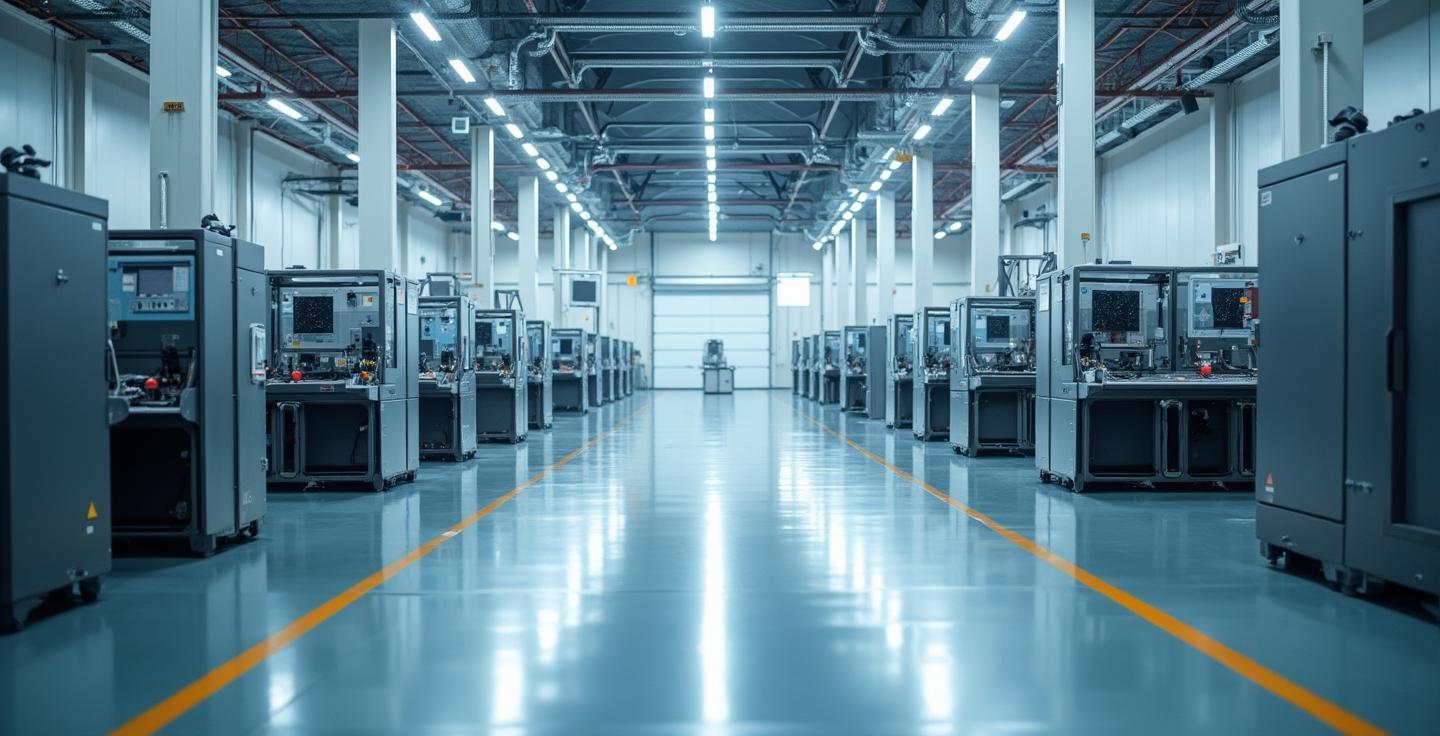
For small and mid-sized manufacturing enterprises (SMEs) across the United States, operational efficiency is the ultimate driver of profitability. Yet, many industrial facilities still struggle with fragmented legacy software, disconnected inventory logs, and manual accounting practices that drain valuable time. When billing, procurement, order management, and ledger reconciliation live in separate silos, leadership lacks real-time visibility into cash flow. Implementing robust business process automation bridges these gaps, transforming slow administrative processes into responsive, connected digital workflows.
The Operational Challenges Facing US Manufacturers Today
Modern US manufacturing plants face complex challenges, including rising labor costs, fluctuating supply chain expenses, and stringent regulatory requirements. When shop floor operations do not communicate effectively with the back office, errors multiply. A shipping manager might dispatch a completed order before the invoice is correctly logged, or procurement teams might reorder raw materials without realizing existing stock is sitting uncounted in a secondary warehouse.
Manual data entry exacerbates these risks. Transferring figures between spreadsheets and standalone bookkeeping applications invites human error, leading to delayed financial reporting at the end of each month. To remain competitive, American industrial firms must eliminate these manual bottlenecks through systematic integration and intelligent software adoption.
How Business Process Automation Transforms the Factory Floor
Business process automation involves using technology to execute recurring tasks or workflows where manual effort was previously required. In a manufacturing environment, automation extends far beyond simple email alerts. It covers the entire lifecycle of an order—from the moment a client requests a quote to final invoice reconciliation and revenue recognition.
By automating repetitive procedures, organizations achieve remarkable operational improvements:
- Accelerated Order-to-Cash Cycles: Automatically convert approved estimates into sales orders, trigger inventory picking lists, and generate invoices instantly upon shipment.
- Real-Time Inventory Tracking: Connect point-of-sale or ERP data directly to accounting systems so stock levels update immediately upon purchase or fulfillment.
- Reduced Administrative Overhead: Free up finance and administrative teams from repetitive data entry, allowing them to focus on financial forecasting and strategic cost control.
- Enhanced Compliance and Auditing: Maintain immutable digital audit trails for every transaction, simplifying tax season and industry-specific compliance reviews.
Partnering with experienced digital consultants helps firms map out their current workflows, identify friction points, and implement tailored strategies. To explore how tailored operational roadmaps can change your trajectory, visit our business consulting overview.
Integrating Comprehensive Financial Suites: Zoho FinancePlus
One of the most effective ways for US manufacturers to unify their financial operations is by adopting an integrated suite of applications. Rather than forcing disparate tools to communicate via fragile plugins, platforms designed for holistic business management provide native synergy. This is where start Zoho FinancePlus comes into play as a transformative choice for growing enterprises.
Zoho FinancePlus brings together accounting, inventory management, billing, expense reporting, and order management into a single, cohesive ecosystem. For manufacturers managing multiple vendors, complex tiered pricing, and warehouses spread across different states, this integration ensures that every financial transaction is recorded accurately and instantly.
When a purchase order for raw materials is fulfilled, the inventory module updates stock counts, the accounts payable module schedules the vendor payment, and the general ledger reflects the expense immediately. This eliminates the lag time inherent in traditional bookkeeping and gives executives an accurate view of operational liquidity at any given hour.
Connecting Demand Generation with Financial Outcomes
Operational efficiency is not limited to the factory floor and the back office; it also includes how manufacturing firms attract and nurture clients. Maintaining visibility over marketing expenditures and connecting promotional campaigns directly to closed-won manufacturing contracts helps leadership calculate return on investment with absolute precision.
By integrating tools like explore Zoho Marketing Automation with your core financial suite, your sales and marketing teams can track customer acquisition costs against lifetime revenue generated. This level of insight ensures that marketing budgets are directed toward the most profitable industrial sectors and product lines.
Furthermore, unifying customer interactions with technical service delivery ensures that long-term client relationships are nurtured properly. To learn more about how we connect customer relationship management with specialized industrial workflows, explore our dedicated Zoho CRM and Zoho One solutions.
Steps to Implementing Financial Automation in Your Plant
Transitioning away from manual spreadsheets and legacy desktop accounting software requires a structured, phased approach to minimize disruption on active production schedules. Follow these foundational steps to ensure a smooth digital transformation:
For complex industrial environments requiring bespoke applications or specialized portals that tie directly into your financial backend, expert development teams can build custom solutions. Discover more about our engineering capabilities by reviewing our full-stack development services.
Frequently Asked Questions
How long does it typically take to implement financial automation for a manufacturing business?
Implementation timelines vary based on the complexity of your existing systems, the volume of historical data, and the number of warehouses involved. Generally, initial setup and workflow integration take between four to twelve weeks when guided by experienced professionals.
Can Zoho FinancePlus integrate with existing manufacturing machinery or ERP software?
Yes. Through robust API capabilities and custom integration frameworks, financial suites can be connected to existing warehouse management systems, IoT shop floor sensors, and legacy databases to ensure seamless data flow.
Is cloud-based financial software secure for US manufacturing companies?
Modern cloud financial platforms utilize enterprise-grade encryption, role-based access controls, and secure data centers that comply with rigorous federal and industry security standards, often providing higher security than on-premise local servers.
Take the Next Step Toward Operational Excellence
Modernizing your manufacturing enterprise does not have to be an overwhelming ordeal. By automating core financial workflows, unifying inventory tracking, and integrating customer engagement tools, your business can reduce administrative overhead and scale efficiently across the United States. Ready to optimize your industrial operations? Reach out to our team via our contact us page or schedule a direct consultation through our booking portal to discuss a customized automation strategy for your facility.