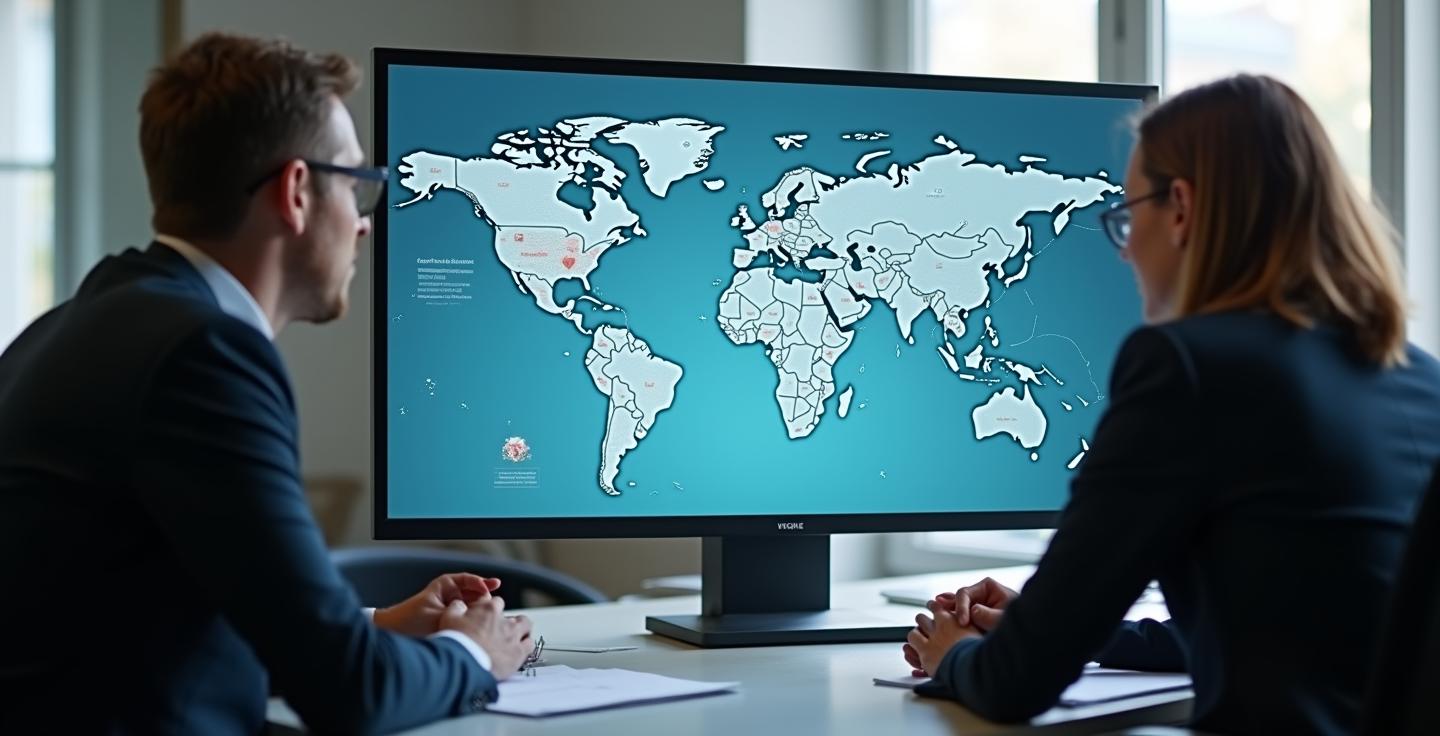
Tag: Europe

  • Scaling European Professional Services with Custom Apps and Video Tools

    Scaling European Professional Services with Custom Apps and Video Tools

    The landscape of professional services across Europe has undergone a permanent shift. Consultancy firms, legal practices, financial advisors, and boutique agencies are no longer bound by local borders. Instead, they service clients spanning multiple time zones, demanding a sophisticated blend of digital infrastructure, seamless communication, and bespoke software. To maintain a competitive edge, firms must move beyond generic out-of-the-box software stacks and invest in tailored digital ecosystems that elevate client experience and internal productivity.

    Scaling operations efficiently while maintaining a high-touch, personalized service model requires careful orchestration of web applications, cloud communication tools, and robust backend workflows. Whether you are expanding your footprint from Germany to the UK, or managing distributed teams across Southern and Northern Europe, modernizing your digital capability is the key to sustainable, long-term growth.

    The Evolution of Digital Infrastructure for European Consultancies

    European professional services firms face a unique set of challenges, including strict data privacy regulations like GDPR, linguistic diversity, and the necessity for high-security remote collaboration. Historically, firms relied on fragmented tools—one app for invoicing, another for emailing, and a third for video calls. Today, this fragmented approach creates data silos that slow down service delivery and frustrate clients who expect instant, unified interactions.

    Modern digital transformation begins with consolidating core operations. By bridging the gap between client-facing web portals and internal administrative systems, firms reduce administrative overhead. When a client books a consultation, submits documents, and attends a virtual meeting through a single, branded interface, the perceived value of your firm rises dramatically. Building this kind of frictionless journey requires strategic full-stack development services designed specifically around the nuances of your service offerings.

    Empowering Remote Client Engagement with Secure Video Tools

    Virtual consultations form the backbone of modern professional services. However, relying on consumer-grade video conferencing software often compromises professionalism and security. European enterprises need reliable, encrypted, and feature-rich video environments that integrate smoothly into their daily workflows without requiring cumbersome downloads for clients.

    Integrating a dedicated platform like Zoho Meeting allows firms to host webinars, client pitches, and board reviews with enterprise-grade security. When combined with broader collaboration suites like Zoho Workplace, consultants can share files, co-edit documents, and manage team calendars seamlessly across borders. This eliminates the friction of switching between disparate apps, keeping your billable hours focused on client work rather than IT troubleshooting.

    The Role of Custom Web Apps in Differentiating Your Practice

    Standard website templates are rarely sufficient for forward-thinking professional services firms. To truly stand out in the crowded European market, businesses need custom web and mobile applications tailored to their specific workflows. From proprietary assessment tools and client onboarding portals to automated document generation dashboards, custom apps act as a powerful differentiator.

    When your digital touchpoints reflect your brand’s exact methodology, clients notice. Furthermore, custom applications can be engineered to integrate natively with your existing CRM and accounting systems. For strategic guidance on mapping out your software architecture, exploring professional business consulting can help align your technology roadmap with your commercial expansion goals.

    Automating Administrative Workflows to Accelerate Growth

    Even the most sophisticated web applications fall short if your back-office team is bogged down by manual data entry. Professional services thrive on billable hours, yet countless firms lose productive time to scheduling conflicts, manual invoice generation, and follow-up emails.

    Implementing intelligent business automation transforms how your firm operates. Routine tasks—such as sending meeting reminders, triggering onboarding sequences after a contract is signed, and updating CRM records—can run autonomously in the background. This ensures zero leakage in your sales pipeline and guarantees a consistent, polished experience for every single client.

    Overcoming Expansion Hurdles with Scalable Cloud Architectures

    Expanding across European markets introduces regulatory complexity and scaling hurdles. Cloud-native infrastructure allows firms to scale computing resources up or down dynamically without heavy capital expenditure on local server hardware. Moreover, cloud solutions engineered with GDPR compliance at their core ensure that client data remains protected regardless of where your team members or customers are physically located.

    By partnering with experienced technology implementers, firms can bypass the trial-and-error phase of software deployment. A unified approach—combining custom web apps, automated workflows, and secure communication channels—lays a resilient foundation for cross-border growth.

    Frequently Asked Questions

    Why should European professional services invest in custom web applications?

    Custom web applications streamline client onboarding, protect sensitive data, and provide unique digital touchpoints that set your firm apart from competitors relying on generic software.

    How do integrated video tools improve client retention?

    Using professional, branded video conferencing solutions removes technical friction for clients, projecting a polished, reliable image during every consultation or review session.

    Can automated workflows comply with European data regulations?

    Yes. Modern automation platforms and cloud architectures can be configured to adhere strictly to GDPR and regional security requirements, ensuring client confidentiality.

    Take the Next Step in Your Digital Journey

    Transforming your professional services firm for the modern European market requires the right technical partner. At Tamooh Tech LLC, we build robust digital solutions designed to streamline your operations and elevate your client experience. Ready to scale your practice? Contact our team today to discuss your custom software and automation requirements.


  • Scaling European Fitness Businesses with Zoho

    Scaling European Fitness Businesses with Zoho

    The European fitness and gym industry is evolving at a rapid pace. Modern health clubs, boutique fitness studios, and multi-location gym chains face intense competition. To retain members and expand profitably, fitness operators must streamline internal operations, from member analytics to front-desk staffing and trainer recruitment. Administrative bottlenecks slow down growth, making scalable digital tools a necessity rather than an optional luxury.

    For European small and medium-sized enterprises (SMEs) in the health and wellness sector, adopting an integrated software ecosystem transforms day-to-day management. Instead of juggling disparate spreadsheets and disconnected apps, fitness businesses can centralize operations. At Tamooh Tech LLC, we help gym owners implement robust cloud ecosystems tailored to their specific operational workflows.

    The Operational Challenges Facing Modern European Gyms

    Running a successful fitness facility requires seamless coordination across multiple departments. Front-desk staff, personal trainers, class instructors, and facility managers all generate distinct data points. When this information remains siloed, management struggles to get a clear picture of business health.

    Common friction points include high staff turnover among fitness instructors, difficulties in tracking member retention metrics, and manual scheduling errors. Furthermore, strict regional compliance standards across European markets demand accurate record-keeping and secure data handling. Addressing these hurdles requires purpose-built software solutions that automate routine administrative duties and empower managers to focus on member experience.

    Streamlining Trainer Recruitment with Specialized ATS

    Finding and hiring certified personal trainers, yoga instructors, and front-desk personnel is a constant challenge for growing fitness brands. Traditional hiring methods often involve sorting through endless emails, losing track of promising candidates, and delaying interviews.

    By utilizing Zoho Recruit, European gym operators can centralize their entire hiring pipeline. This applicant tracking system allows fitness business owners to post job openings across multiple European job boards simultaneously, manage candidate interviews, and collaborate with gym managers in real-time. Automated email triggers keep candidates engaged from application to onboarding, ensuring your club secures top talent before competitors do.

    Integrating your hiring workflows with broader operational tools ensures new instructors are onboarded efficiently, with their certifications and availability logged directly into your scheduling systems.

    Transforming Member Data into Actionable Insights

    Data drives modern retail and fitness businesses. However, simply collecting gym membership sign-ups, class attendance records, and payment logs is not enough. Decision-makers need clear visualizations to understand peak hours, membership churn patterns, and profitability per class type.

    To uncover deep operational insights, fitness leaders can leverage Zoho Analytics. This powerful business intelligence tool connects seamlessly with your CRM, booking software, and financial platforms to build real-time dashboards. European gym owners can track key performance indicators such as monthly recurring revenue (MRR), class utilization rates, and trainer performance metrics without needing a dedicated data science team.

    Having these insights at your fingertips enables data-driven decision-making, helping you allocate floor space, adjust class timetables, and design targeted marketing campaigns that resonate with European consumers.

    Integrating Your Fitness Ecosystem for Seamless Growth

    Software works best when it communicates effectively across departments. Standalone apps create data silos that require manual data entry, increasing the likelihood of human error. A unified digital transformation strategy connects your HR, recruitment, accounting, and analytics into a single cohesive framework.

    When your recruitment software, customer relationship management, and reporting suites share data instantaneously, your administrative overhead drops dramatically. For instance, staff performance data can inform payroll calculations, while member attendance trends feed directly into marketing automation workflows. Exploring comprehensive solutions like Zoho CRM and Zoho One implementation allows European businesses to build an interconnected foundation that scales effortlessly as new locations open.

    Overcoming Implementation Hurdles in the European Market

    Migrating legacy systems to a modern cloud environment can seem daunting for gym owners accustomed to traditional methods. Concerns regarding data privacy regulations, staff training, and operational downtime often cause hesitation.

    Successful digital transformation relies on a phased rollout plan. Partnering with experienced technology consultants ensures your system configuration aligns with local compliance standards and industry best practices. Professional guidance minimizes disruption to daily gym operations, ensuring your team adopts the new tools quickly and enthusiastically.

    To explore how tailored digital strategies can elevate your business operations, consider reviewing our comprehensive business consulting services designed to guide European SMEs through every stage of technological adoption.

    Next Steps for Your Fitness Brand

    The fitness and wellness sector rewards efficiency, member engagement, and rapid adaptability. By automating your recruitment pipelines and unlocking deep operational analytics, your gym can focus on what matters most: delivering exceptional fitness experiences to your members.

    Whether you operate a boutique fitness studio in Berlin, a multi-location gym chain across Scandinavia, or an expanding wellness brand in Western Europe, streamlining your tech stack is the key to sustainable growth. Ready to modernize your fitness operations and scale your business? Get in touch with Tamooh Tech LLC today to discuss a custom automation strategy tailored to your exact needs.

    Frequently Asked Questions

    How does Zoho Recruit help fitness businesses?

    Zoho Recruit simplifies the hiring process for gym owners by centralizing job postings, organizing candidate resumes, automating interview scheduling, and streamlining onboarding for new trainers and staff.

    Can Zoho Analytics integrate with existing gym management software?

    Yes, Zoho Analytics connects with hundreds of popular business applications, databases, and spreadsheets, allowing gym owners to pull disparate data into unified, real-time performance dashboards.

    Is Zoho suitable for small and medium-sized fitness clubs in Europe?

    Absolutely. Zoho offers scalable, modular pricing and robust data security features, making it an ideal choice for European SMEs looking to automate processes without enterprise-level complexity or cost.

  • Agentic AI and Automated Finance for European Manufacturing

    Agentic AI and Automated Finance for European Manufacturing

    European manufacturing SMEs face mounting pressures: volatile supply chains, strict regulatory compliance demands, and rising operational overheads. To maintain a competitive edge, factory floors and corporate offices alike must move beyond basic digitization. Today, forward-thinking industrial leaders are turning to intelligent workflows and smart financial tools to remove friction across every department. By combining autonomous digital workers with robust financial suites like Zoho FinancePlus, organizations can achieve unprecedented operational visibility and agility.

    The Evolution of Industrial Efficiency

    For decades, manufacturing automation meant robotic assembly lines and programmable logic controllers on the factory floor. While physical machinery transformed production output, administrative processes—such as procurement, inventory reconciliation, invoice matching, and cross-border tax compliance—remained heavily manual and siloed.

    Modern enterprises require a holistic approach where back-office systems communicate seamlessly with operational machinery. When administrative bottlenecks slow down decision-making, even the most efficient factory floor suffers from shipment delays and cash flow friction. Bridging this gap requires intelligent software frameworks that can interpret unstructured data, predict maintenance needs, and trigger financial transactions without constant human intervention.

    Many European mid-market businesses struggle with legacy software that refuses to integrate. Transitioning to a unified platform like Zoho One provides a solid foundation, connecting inventory, sales orders, and customer relationships into a single coherent ecosystem.

    What is Agentic AI in a Manufacturing Context?

    Unlike traditional conversational assistants that simply answer prompts, agentic AI refers to autonomous software agents capable of executing multi-step workflows to achieve specific business goals. In a manufacturing environment, these AI agents act as digital colleagues that monitor inventory thresholds, communicate with suppliers, draft purchase orders, and flag anomalies in real time.

    Consider a scenario where a key raw material experiences a sudden price spike in global markets. An agentic AI system can instantly evaluate current stock levels, analyze upcoming production schedules, identify alternative pre-vetted vendors across Europe, and calculate the financial impact on profit margins. Instead of waiting for a weekly procurement meeting, management receives an actionable recommendation complete with pre-drafted supplier contracts.

    This proactive operational style drastically reduces reaction times. To explore how intelligent workflows can be tailored to your enterprise, consider speaking with specialists in agentic AI services who understand the nuances of industrial integration.

    Streamlining Multi-Entity Finance and Compliance

    European manufacturers operating across multiple countries face complex tax jurisdictions, VAT regulations, and multi-currency accounting challenges. Manual bookkeeping simply cannot scale across borders without introducing human error and compliance risks.

    Integrating advanced financial software ensures that every transaction—from raw material acquisition in Germany to finished goods delivery in Spain—is recorded, categorized, and reconciled automatically. Utilizing Zoho FinancePlus allows finance teams to manage billing, expense reporting, inventory valuation, and tax filing within a unified dashboard.

    When financial systems are tightly linked with automated procurement and sales pipelines, leadership gains real-time visibility into working capital. This level of transparency enables accurate cash flow forecasting, helping industrial firms secure better terms with banking partners and weather economic uncertainties with confidence.

    Unlocking End-to-End Process Automation

    True digital transformation is not about adopting flashy tools; it is about removing repetitive administrative burdens so human talent can focus on engineering, quality control, and strategic growth. Comprehensive business automation ensures that data moves fluidly from the moment a client places an order to the final delivery confirmation and invoice settlement.

    In manufacturing, automation workflows typically span several key touchpoints:

    • Sales-to-Production Handover: Custom configurations entered by a sales team instantly generate bill-of-materials (BOM) requirements and trigger inventory checks.
    • Automated Procurement: When stock dips below predefined safety levels, purchase requisitions are routed for approval and dispatched to approved vendors automatically.
    • Smart Invoice Reconciliation: Incoming supplier invoices are scanned via OCR, matched against purchase orders and receiving logs, and queued for payment without manual data entry.
    • Customer Portals: B2B buyers can check shipment status, download compliance documentation, and settle invoices online without calling support staff.

    Implementing these workflows requires careful mapping of existing standard operating procedures. Working with experienced business consulting partners helps organizations identify hidden bottlenecks before writing a single line of integration code.

    The Strategic Roadmap for European SMEs

    Embracing agentic AI and robust financial automation does not require a disruptive, all-at-once overhaul of your entire operation. Successful digital transformation follows a pragmatic, phased roadmap:

    1. Audit Current Silos: Identify which departments spend the most time on manual data entry and cross-system reconciliation.
    2. Centralize Core Data: Implement a unified operational spine to ensure all teams reference a single source of truth for inventory, orders, and financials.
    3. Automate High-Volume Workflows: Focus initial automation efforts on routine tasks like invoice processing, order acknowledgments, and standard status updates.
    4. Introduce Autonomous Agents: Deploy agentic AI tools to monitor exceptions, predict maintenance needs, and assist with complex supply chain decisions.
    5. Measure and Refine: Track key performance indicators such as order-to-cash cycle time, error rates, and working capital efficiency to continuously optimize the system.

    Frequently Asked Questions

    How does agentic AI differ from standard automation scripts?

    Standard automation scripts follow rigid, pre-defined rules (e.g., “if X happens, do Y”). Agentic AI systems possess contextual reasoning capabilities, allowing them to handle ambiguity, adapt to changing inputs, and make multi-step decisions autonomously while escalating critical exceptions to human supervisors.

    Is financial data secure when using cloud-based suites like Zoho FinancePlus?

    Yes. Enterprise-grade cloud platforms employ advanced encryption standards, multi-factor authentication, role-based access controls, and strict data residency compliance measures designed to meet European regulatory requirements.

    How long does it typically take to integrate financial and operational tools for a manufacturing SME?

    Timelines vary based on legacy system complexity and the scope of custom workflows, but initial modular deployments can often go live within a few weeks, followed by continuous refinement and expansion.

    Accelerate Your Digital Transformation Today

    Navigating the transition toward intelligent manufacturing and automated finance requires a strategic partner who understands both technical integration and industrial realities. At Tamooh Tech LLC, we help enterprises across Europe design scalable architectures that combine modern applications with cutting-edge intelligent agents.

    Ready to optimize your operations and elevate your financial workflow? Explore our tailored full-stack development services or contact our team to schedule a strategic consultation.

  • Logistics Process Automation for European Fleets with Zoho

    Logistics Process Automation for European Fleets with Zoho

    The European logistics and fleet management sector operates in a high-stakes, fast-paced environment. Dispatchers, drivers, and supply chain managers must coordinate thousands of moving parts across borders, time zones, and varying regulatory frameworks. When communication silos form between dispatch centers and drivers on the road, operational delays inevitably compound, eating into profit margins and damaging customer satisfaction. To maintain a competitive edge, modern European logistics small and medium-sized enterprises (SMEs) are increasingly turning to advanced business process automation to unify their communications, streamline data handling, and eliminate manual administrative overhead.

    At Tamooh Tech LLC, we help transport and supply chain leaders transition from fragmented legacy systems to unified digital ecosystems. By integrating robust cloud communication tools and workflow engines, businesses can track shipments, manage driver inquiries, and secure sensitive credentials seamlessly. In this comprehensive guide, we explore how strategic automation transforms European logistics operations and drives measurable long-term growth.

    The Core Challenges Facing Modern European Logistics Fleets

    European transport companies face a unique combination of cross-border regulatory compliance, rising fuel costs, and customer demands for real-time tracking updates. Traditional operations often rely on disconnected phone lines, disparate messaging apps, and manual spreadsheets to manage driver rosters and delivery schedules. This fragmented approach creates significant operational vulnerabilities:

    • Communication Breakdowns: Dispatchers losing track of active calls or failing to log vital route changes.
    • Administrative Bottlenecks: Manual data entry leading to invoicing delays and payroll errors.
    • Security Risks: Sharing sensitive access codes, vehicle telemetry passwords, and client manifests through insecure communication channels.
    • Scalability Limits: Inability to handle seasonal spikes in freight volume without drastically increasing headcount.

    Overcoming these hurdles requires a strategic shift toward intelligent business process automation. By connecting your front-office communications with back-office databases, your team can automate routine dispatch notifications, log customer interactions instantly, and maintain absolute visibility over every fleet vehicle on the road.

    Transforming Dispatch and Support with Cloud Telephony

    Voice communication remains the lifeline of any fleet operation. Whether a driver encounters a roadblock in central Europe or a client needs an urgent ETA update, reliable phone communication is non-negotiable. However, standard telephony solutions often operate in isolation from CRM data and dispatch logs. When an agent answers a call, they may lack immediate context regarding the caller’s active shipment status, leading to frustrating hold times and repetitive questioning.

    Integrating smart cloud telephony into your operational workflow solves this disconnect entirely. Solutions like start Zoho Voice allow European logistics companies to provision virtual numbers across multiple countries, route incoming calls intelligently based on driver region or language, and log call recordings directly into client profiles. Dispatchers can click-to-call drivers straight from their dispatch dashboard, automatically logging call durations, notes, and follow-up tasks without manual intervention.

    Furthermore, cloud-based phone systems provide supervisors with real-time analytics on call volume, peak inquiry hours, and average response times. This data enables logistics managers to optimize staffing levels during peak shipping seasons, ensuring that no driver or client inquiry goes unanswered.

    Securing Fleet Credentials and Enterprise Data

    As logistics companies digitize their fleets, they accumulate a vast array of digital assets—from telematics portal logins and fuel card PINs to cross-border customs clearance credentials and client API keys. Managing these credentials securely is paramount, especially under stringent European data privacy regulations like GDPR. Storing passwords in shared spreadsheets or team chat applications exposes transport firms to severe cybersecurity risks and potential data breaches.

    To safeguard sensitive operational assets, companies should pair their communication workflows with dedicated enterprise password management tools. Utilizing solutions such as secure your business credentials with Zoho Vault ensures that sensitive driver credentials, vehicle tracking logins, and administrative accounts are encrypted, organized, and shared only with authorized personnel on a need-to-know basis. Fleet managers can revoke access instantly when a contractor’s contract ends, maintaining rigorous access control across the entire organization.

    Building End-to-End Workflows with Expert Guidance

    Implementing standalone applications is rarely enough to achieve true digital transformation. The real power of technology lies in seamless integration—connecting your cloud phone system, secure credential vault, and customer relationship management suite into a unified operational hub. This is where partnering with experienced digital architects makes all the difference.

    At Tamooh Tech LLC, we design tailored systems that align precisely with your fleet’s daily routines. Through our specialized business automation services, we help European enterprises eliminate redundant data entry, automate multi-step dispatch approvals, and connect third-party logistics (3PL) platforms into a centralized control panel. Whether you operate a regional delivery fleet or a pan-European freight network, our team ensures your software stack scales effortlessly alongside your business.

    For organizations looking to build custom web interfaces, driver portals, or mobile tracking apps to complement their internal operations, our team also provides comprehensive full-stack development services. We construct secure, high-performance web and mobile applications designed to withstand heavy enterprise usage and integrate smoothly with your existing Zoho ecosystem.

    Frequently Asked Questions About Logistics Automation

    How does business automation reduce operating costs in logistics?

    By automating routine tasks such as call logging, invoice generation, dispatch notifications, and credential management, logistics companies reduce administrative labor hours, minimize human error, and accelerate delivery cycle times.

    Can cloud telephony integrate with existing dispatch software?

    Yes. Modern cloud communication platforms feature robust APIs that allow seamless integration with custom dispatch dashboards, CRM systems, and ERP tools, ensuring your team has immediate access to caller history and shipment data.

    Is European logistics software compliant with data privacy laws?

    When configured correctly with enterprise-grade security tools and localized data storage options, automated logistics platforms comply fully with European data privacy standards, including GDPR.

    Ready to Modernize Your Fleet Operations?

    Transitioning to an automated, data-driven logistics operation does not have to be an overwhelming undertaking. By streamlining your communication channels, securing sensitive credentials, and integrating your core software tools, your European fleet can achieve unprecedented levels of efficiency, security, and customer satisfaction.

    If you are ready to explore how tailored automation and cloud solutions can elevate your transport business, contact our team at Tamooh Tech LLC today. You can also schedule a consultation directly with our digital transformation experts to discuss your fleet’s unique requirements and roadmap your path to scalable growth.